|
Rotblatt, Lindsay J., Ph.D.
Current, 2024-2026
|
Evaluating distinct cognitive phenotypes using Subtype and Stage Inference (SuStaIn): A comparison between AD and DLB
|
|
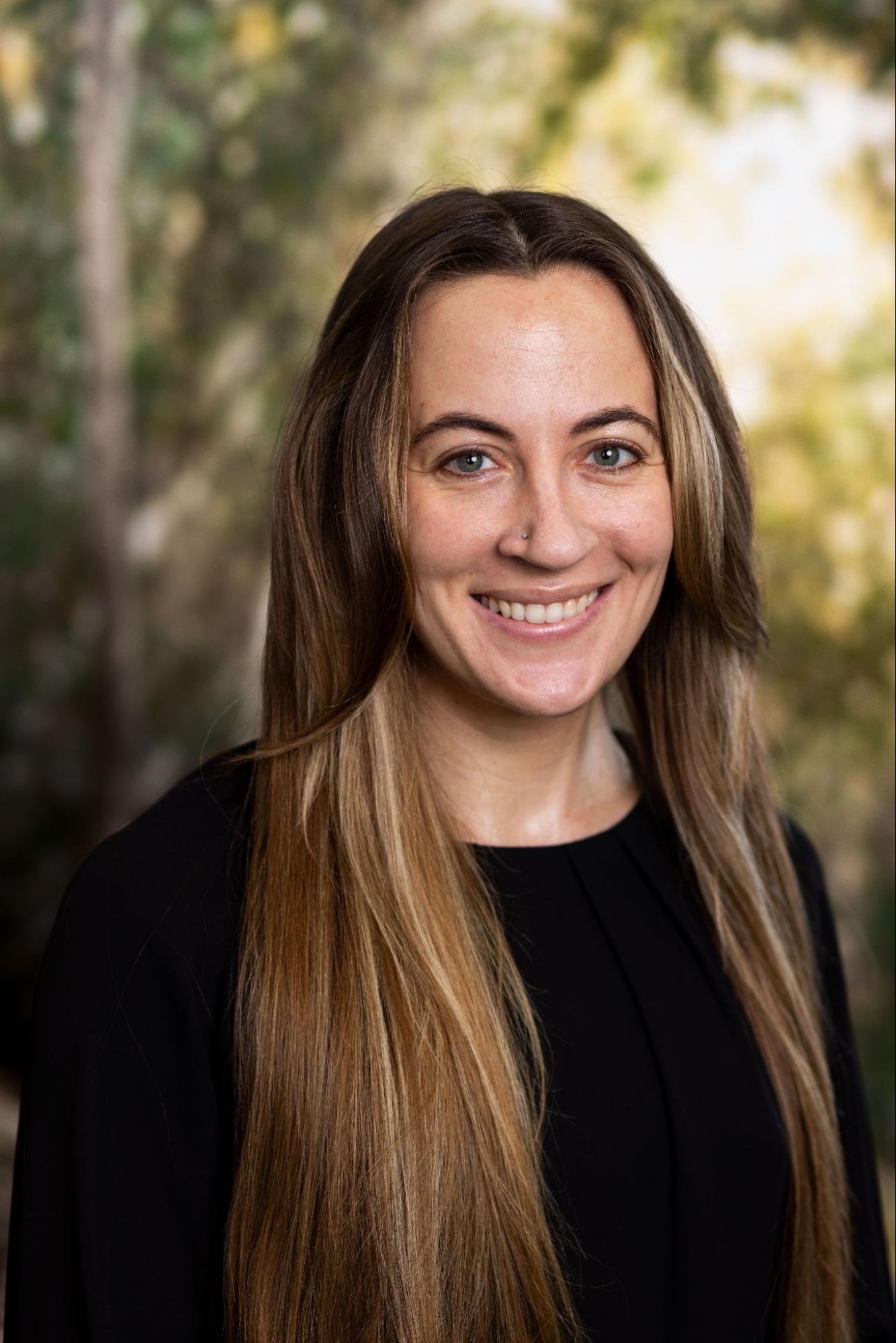
Solders, Seraphina K., Ph.D.
Current 2024-2026
|
Exploring the neural mechanisms underlying early memory retrieval deficits in Alzheimer’s disease using novel neuroimaging methods
Dr. Seraphina Solders is a Postdoctoral Scholar in the Department of Neurosciences at UC San Diego and a Lecturer in the Department of Psychology at San Diego State University. She received her bachelor’s degree in Psychology and Biology from San Diego State University and her Ph.D. in Neurosciences from UC San Diego, and currently works in the Reas Lab. Her research interests broadly involve differentiating structural brain changes in healthy and pathologic aging and identifying risk factors that promote neurodegeneration and cognitive decline. She has a particular interest in understanding how modifiable lifestyle factors influence brain aging and dementia risk, especially those relating to vascular health. Her current work in the Reas Lab uses advanced MRI techniques, dynamic contrast-enhanced MRI and restriction spectrum imaging, to explore the roles of the blood-brain barrier and brain microstructure in pre-clinical Alzheimer’s disease. Outside of work, you can find Seraphina doing aerial arts, walking around the San Diego Zoo, or knitting with her cat, Callie, in her lap.
|
|
 Whittaker, Daniel S., Ph.D. Whittaker, Daniel S., Ph.D.
Current 2024-2026
|
Role of bile acids in mediating gut-brain signaling in Alzheimer’s disease patient pathology
Role of bile acids in mediating gut-brain signaling in Alzheimer’s disease pathology
Dr. Whittaker is a Senior Researcher in the Department of Neurosciences at U.C. San Diego School of Medicine. He received his PhD in Molecular, Cellular and Integrative Physiology in Dr. Christopher Colwell’s lab at U.C. Los Angeles. Dr. Whittaker’s research has focused on investigating circadian therapeutic interventions where he seeks to identify mechanisms contributing to prevention or delayed progression in neurodegenerative conditions and diseases, including those associated with increased resilience during aging.
|
|
Erani, Fareshte, Ph.D.
Current 2025-2026
|
Neuro psychiatric symptoms and patterns of early cognitive decline in ADRD
|
|
 Holloway, Breanna, Ph.D. Holloway, Breanna, Ph.D.
Current 2025-2026
|
Comorbid Insomnia and Sleep Apnea (COMISA) as a Risk Factor for Alzheimer’s Disease
Breanna M. Holloway, PhD is a postdoctoral fellow at the University of California, San Diego and a Staff Psychologist at the San Diego Veterans Affairs Medical Center with training in Clinical Psychology and Behavioral Medicine. Her long-term goal is to develop personalized behavioral sleep health interventions to address modifiable risk factors for Alzheimer’s disease and related dementias, with a focus on populations that are often underserved. She has experience in behavioral sleep medicine approaches and health-related research focused on how social, psychological, and behavioral factors relate to health outcomes. She is an ADRC Research Education Component (REC) scholar, which provides specialized mentorship and training in Alzheimer’s disease and aging research. Her current project examines the relationship between comorbid sleep apnea and insomnia and memory among individuals at risk for AD.
|
|

Campbell, Laura Ph.D.
New 2026-2027
|
Latent growth mixture modeling (LGMM) to characterize heterogeneity in cognitive trajectories of participants without dementia at baseline in the NACC dataset
Dr. Laura Campbell is a clinical neuropsychologist. She is currently a postdoctoral fellow at the UC San Diego, and will be transitioning to an Assistant Professor in the Department of Psychiatry in the next few months. She also serves as a Staff Psychologist at the VA San Diego Healthcare System. Dr. Campbell’s research focuses on cognitive aging and Alzheimer’s disease, with particular interests in understanding heterogeneity in cognitive trajectories, the intersection of geriatric mental health and cognitive aging, and the use of technology to capture cognition and behavior in everyday life. Her work integrates advanced statistical approaches with longitudinal data to identify distinct patterns of cognitive change and clarify the factors that contribute to different trajectories of cognitive aging and decline. As a REC Scholar, Dr. Campbell uses large cohorts of older adults and advanced statistical methods to derive cognitive trajectories and examine predictors of patterns of cognitive decline. Her broader goal is to improve the identification of individuals at risk for clinically meaningful cognitive decline and ultimately inform more personalized approaches to prevention and intervention.
|
|
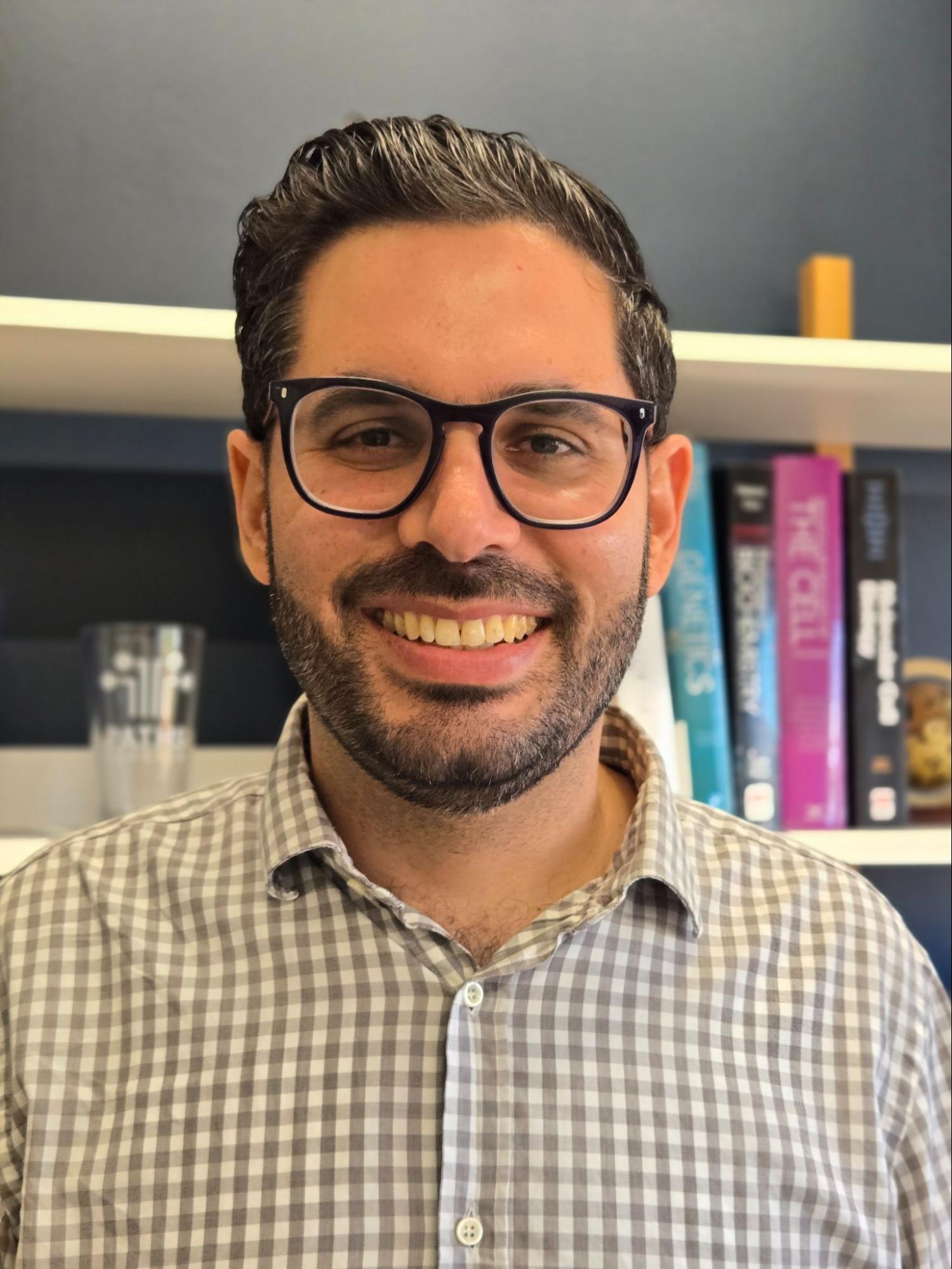
Chaim, Alex, PhD
New 2026-2027
|
RNA oxidation as a driver of neuronal vulnerability in Alzheimer's disease:
Alex Chaim is an Assistant Professor in the Department of Cell and Developmental Biology at UC San Diego, where he leads the Chaim Lab. Born and raised in Venezuela, Alex completed his PhD at MIT, where he studied DNA repair, and went on to do his postdoctoral training at UC San Diego, developing new technologies to study how RNA-binding proteins interact with RNA. His research now focuses on RNA damage biology, particularly how chemical modifications to RNA contribute to neurodegeneration in diseases such as ALS, Parkinson's, and Alzheimer's, as well as how cancer cells respond to treatment. His lab develops new tools to understand how damaged RNA disrupts normal cell function, with the goal of identifying new targets for therapeutic intervention. He is also the founder of CaSAS (Community and Science Advancements in Spanish), a monthly seminar series for Spanish-speaking scientists.
|
|

Ojeda-Juarez, Daniel, Ph.D.
New 2026-2027
|
Signaling mechanisms that drive early synaptic loss
Daniel Ojeda Juárez is an Assistant Project Scientist in the Department of Pathology at UC San Diego. His research focuses on uncovering how early synaptic failure drives dementia by decoding the signaling pathways and molecular mechanisms that govern early synaptic dysfunction, hyperactivity, and receptor loss in neurodegenerative diseases, including prion diseases and Alzheimer’s disease. His work bridges human induced pluripotent stem cell (iPSC)-derived neuronal platforms, clinically relevant mouse models, and mass spectrometry-based phosphoproteomics to define how disease-driving post-translational modifications impair synaptic health. As an ADRC REC Scholar, Daniel is investigating how cell-type-specific reductions of metabotropic glutamate receptor 5 (mGlu5) dictate synaptic vulnerability in Alzheimer’s disease.
|
|

Trotter, Justin, Ph.D.
New 2026-2027
|
Role of astrocytic heparan sulfate proteoglycans in Aβ pathology
Justin Trotter is an Assistant Professor in the Departments of Neurosciences and Neurobiology at UC San Diego, where he leads the Trotter Lab. His research focuses on understanding how astrocytes communicate with neurons to regulate neural circuit function and behavior. His lab studies the molecular organization of astrocyte-neuron interactions at tripartite synapses, the role of astrocytes in social and empathy-related behaviors, and how astrocytes sense and respond to changes in peripheral immune state. More broadly, his group is interested in how these functions change across aging and neurological disease. As an ADRC REC Scholar, Justin is investigating how astrocytic heparan sulfate proteoglycans regulate amyloid beta pathology, with the goal of defining how astrocyte-specific mechanisms contribute to Alzheimer’s disease.
|